Gutter Blockage Removal in Bergen County, NJ
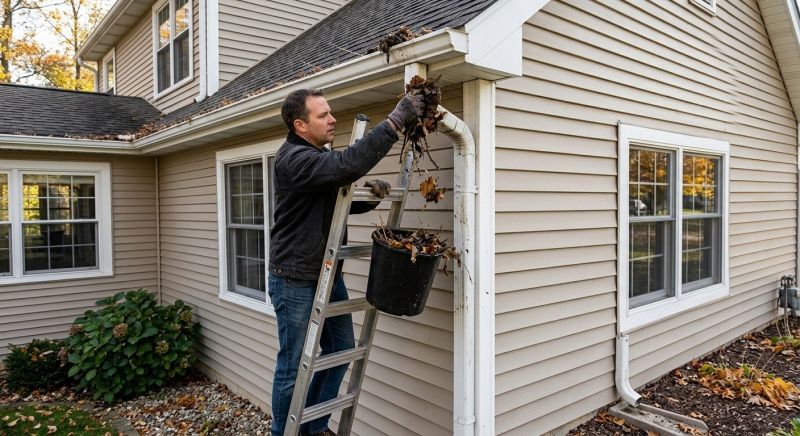
Gutter blockage removal services focus on clearing debris such as leaves, twigs, dirt, and other obstructions that can accumulate in gutters over time. These services are essential for maintaining proper water flow away from the property’s foundation, preventing issues like water damage, basement flooding, and roof deterioration. Projects typically involve inspecting the gutters, removing blockages manually or with specialized tools, and ensuring that downspouts are clear and functioning correctly, especially after storms or seasonal changes.
Property owners considering gutter blockage removal often want to understand the scope of the work involved, including whether the service covers all gutter sections and downspouts, and if any additional repairs or maintenance are recommended. It’s also common to inquire about how often gutter cleaning should be scheduled to prevent future blockages. Properly maintained gutters help protect the home’s structure and landscape, making regular removal of debris a key part of property upkeep.
Many property owners in Bergen County, NJ look into Gutter Blockage Removal for repairs, replacements, upgrades, and appearance-related improvements.
Common Causes Of Gutter Blockages
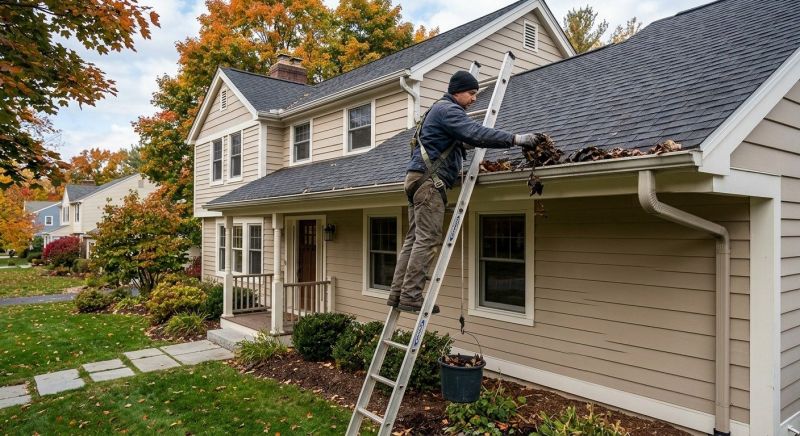
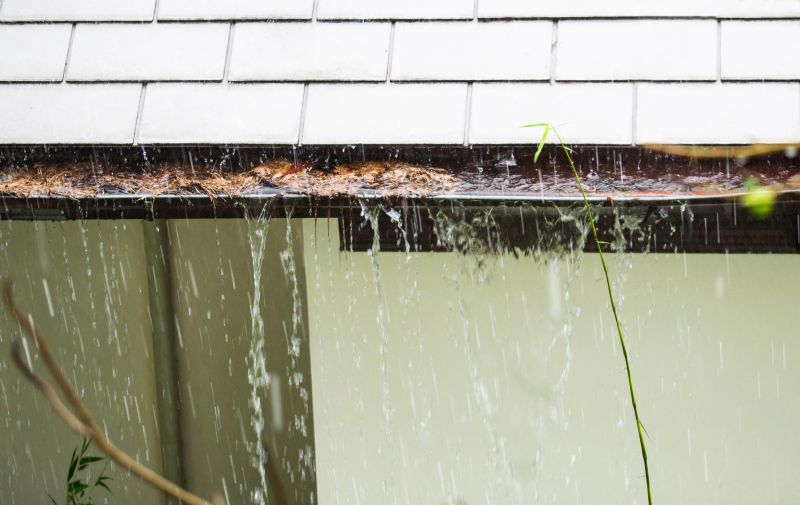
Leaves, twigs, and debris often clog gutters, especially during fall in bergen county.
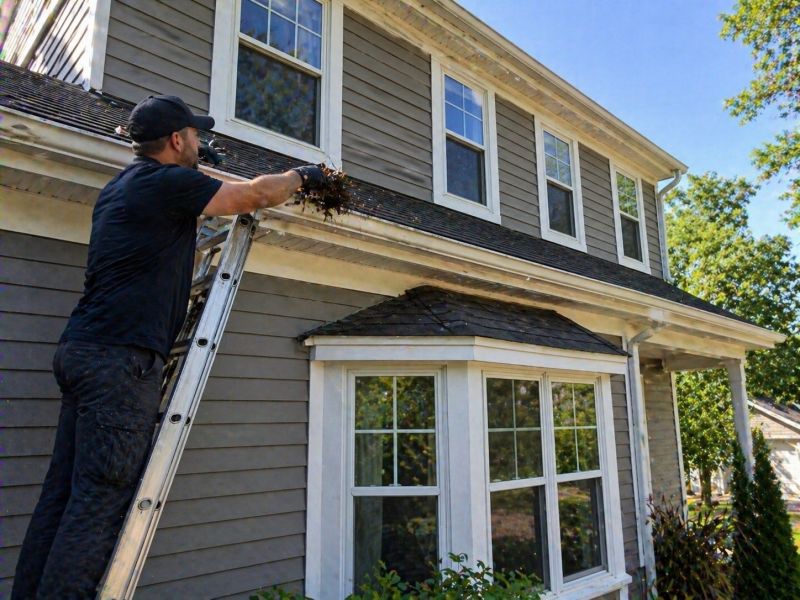
Signs Of Gutter Obstruction
Overflowing water, sagging gutters, and water damage on siding indicate blockages needing attention.
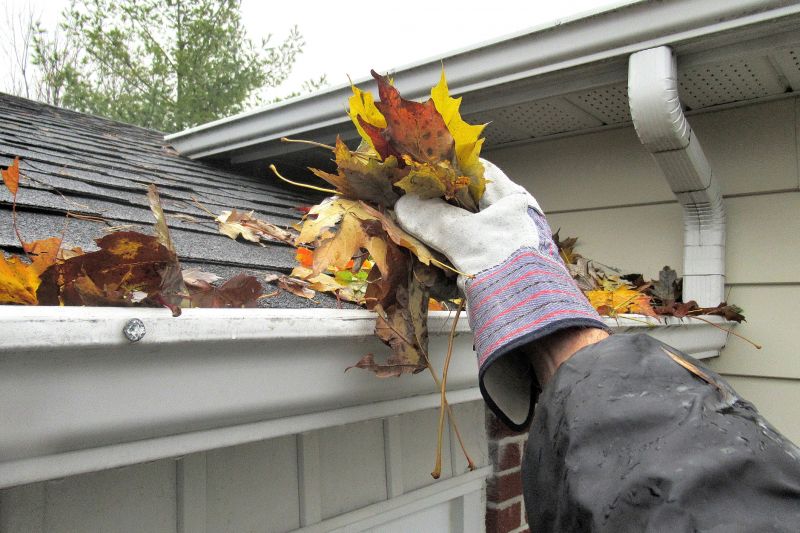
Preventative Maintenance Tips
Regular gutter cleaning and installing guards can help prevent blockages and protect property foundations.
Gutter Blockage Removal in Bergen County, NJ
Gutter blockage removal services focus on clearing debris such as leaves, twigs, dirt, and other obstructions that can accumulate in gutters over time. These services are essential for maintaining proper water flow away from the property’s foundation, preventing issues like water damage, basement flooding, and roof deterioration. Projects typically involve inspecting the gutters, removing blockages manually or with specialized tools, and ensuring that downspouts are clear and functioning correctly, especially after storms or seasonal changes.
Property owners considering gutter blockage removal often want to understand the scope of the work involved, including whether the service covers all gutter sections and downspouts, and if any additional repairs or maintenance are recommended. It’s also common to inquire about how often gutter cleaning should be scheduled to prevent future blockages. Properly maintained gutters help protect the home’s structure and landscape, making regular removal of debris a key part of property upkeep.
Many property owners in Bergen County, NJ look into Gutter Blockage Removal for repairs, replacements, upgrades, and appearance-related improvements.
Common Gutter Blockage Removal Jobs
Gutter cleaning - removal of debris to prevent water backup and damage.
Clog removal - clearing blockages caused by leaves, twigs, and dirt.
Downspout clearing - ensuring proper flow by removing obstructions in downspouts.
Gutter flushing - rinsing out gutters to remove dirt and buildup.
Debris removal - disposing of leaves and debris from gutter systems safely.
Preventative maintenance - inspecting and maintaining gutters to avoid future blockages.
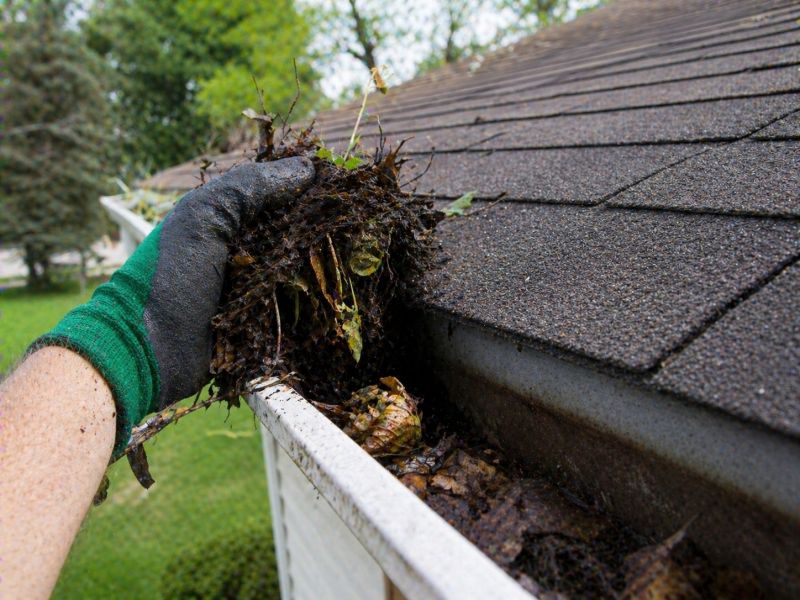

Gutter Blockage Removal Questions
What causes gutter blockages? Common causes include leaves, twigs, dirt, and debris accumulating in the gutters, especially during fall or after storms.
How can clogged gutters affect a property? Blocked gutters can lead to water overflow, foundation damage, roof leaks, and landscape erosion.
What signs indicate gutter blockage? Signs include overflowing water during rain, sagging gutters, and water stains on the exterior walls or fascia.
Why is regular gutter blockage removal important? Regular removal prevents water damage, preserves gutter function, and extends the lifespan of the gutter system.
Request Gutter Blockage Removal in Bergen County, NJ
Use the quote form on this page to share the basics of your project and request more information for the type of work you need.